About Asbestos Exposure at Cincinnati General Hospital: What Workers and Tradesmen Need to Know
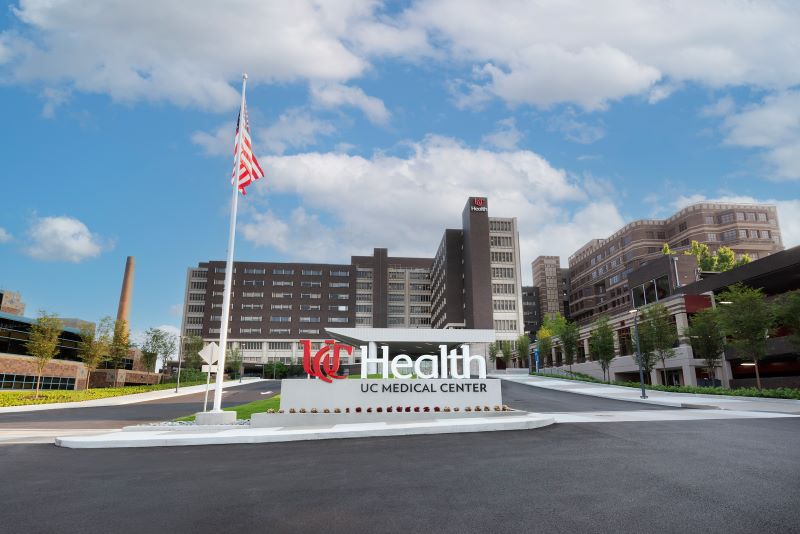
Cincinnati General Hospital — now University of Cincinnati Medical Center — operated as one of the region’s most asbestos-intensive worksites for over half a century. The facility was not a single building but a sprawling teaching and public hospital campus requiring a massive central utility plant generating high-pressure steam, miles of interconnected piping running through basement chases, ceiling plenums, and crawlspaces, dozens of patient wings, sterilization equipment, laundry facilities, and kitchen operations — all requiring continuous heat, structural steel requiring fire-resistant protection, and HVAC systems serving interconnected spaces across multiple construction eras. Large institutional hospitals of this vintage were among the most asbestos-intensive worksites in the region. Unlike a single commercial building, a hospital campus required sustained, continuous use of asbestos-containing materials by multiple trades across decades.General Equipment at Asbestos Exposure at Cincinnati General Hospital: What Workers and Tradesmen Need to Know
The equipment below represents the systems and infrastructure documented or typically present at this facility during the era when asbestos-containing materials were specified in industrial construction. This is general facility-equipment reference — not a legal attribution of any specific product, manufacturer, or exposure event to this facility. Material-category and manufacturer information is addressed in the AsbestosIndex Product Crosswalk linked under the records table below.
Documented Asbestos Evidence
The records below are verified, state-documented asbestos removals at this facility. Each entry represents a regulated abatement project where the Ohio Environmental Protection Agency (Ohio EPA) was notified under federal NESHAP rules, the work was logged, and the asbestos-containing material was confirmed and removed under regulated conditions. These are not allegations or estimates — they are paper records tying documented asbestos-containing material to this specific site.
Material Categories in Documented Records
The materials documented above (and similar asbestos-containing materials commonly encountered in records of this type) appear in the AsbestosIndex catalog with historical manufacturer and trust-fund information. Click a category to view manufacturers historically associated with that material:
Who May Have Been Exposed at Asbestos Exposure at Cincinnati General Hospital: What Workers and Tradesmen Need to Know
Boilermakers, pipefitters, electricians, HVAC mechanics, and maintenance workers who labored inside the medical complex anytime from the 1930s through the 1980s may have been exposed to asbestos fiber concentrations. Boilermakers worked directly inside boiler fireboxes and furnace cavities, removed and replaced deteriorating refractory lining that reportedly contained asbestos, cut and fitted rope gaskets and block insulation on boiler casings, and mixed and applied asbestos-containing refractory cement. Members of Boilermakers Local 27 (St. Louis) who traveled to Cincinnati General Hospital or who performed comparable work at Missouri facilities may have documented exposure histories. Pipefitters and steamfitters cut, threaded, and installed steam and condensate piping throughout the hospital, applied asbestos-containing insulation products, and worked alongside insulation contractors in enclosed mechanical chases and equipment rooms where airborne fiber concentrations may have been significant.⚠️ Critical Filing Deadline
Ohio law gives mesothelioma and asbestos-disease victims 2 years from the date of medical diagnosis to file a personal injury lawsuit (ORC § 2305.10). For wrongful death claims after an asbestos-related death, the filing window is 2 years from the date of death (ORC § 2125.02). Miss either deadline by a single day and the right to file is permanently gone. No exceptions, no extensions.
About the two deadlines: Ohio keeps the personal-injury clock (ORC § 2305.10) and the wrongful-death clock (ORC § 2125.02) on separate tracks. The 2 years personal-injury deadline runs from the date of diagnosis and applies to the diagnosed person's own claim while they are alive. The 2 years wrongful-death deadline runs from the date of death and applies to surviving family members. The two are independent — preserving one does not extend the other, and an asbestos attorney with experience in Ohio can keep both options open as the situation evolves.
The personal-injury clock runs from the date of medical diagnosis — not from the date of asbestos exposure. Mesothelioma can take 20 to 50 years to develop after exposure. Many workers are only now receiving diagnoses from exposures that occurred decades ago.
Treat the 2 years deadline as a hard outer limit, not a planning horizon.
⚠️ Why You Must Act Now
Ohio's filing window may sound like ample time. It is not. Every month that passes after a mesothelioma diagnosis is a month in which your case gets harder to build and your options narrow.
Witnesses Become Harder to Reach
The tradespeople who worked alongside mesothelioma victims at facilities of this era are now in their 70s and 80s. Witnesses from many years ago are harder and harder to contact by the day — coworkers who can testify about which asbestos-containing materials were used, who supplied them, and how the work was done are increasingly difficult to locate. Once first-hand testimony becomes unavailable, that record is gone.
Records Disappear
Employment records, union records, purchasing records, and product invoices that document exactly which asbestos-containing materials were used at this facility are being lost every year. Plants close. Corporate owners change. Storage facilities are cleared. Records that existed five years ago may not exist today.
Mesothelioma Cases Are Complex to Build
Identifying every responsible manufacturer and every jobsite across a tradesperson's career requires intensive investigation by experienced toxic-tort counsel. A case against the manufacturers who supplied asbestos-containing materials to this facility may involve dozens of defendants. That investigation takes time that waiting families do not have.
Asbestos Trust Fund Claims Run on a Separate Track
More than 60 asbestos bankruptcy trusts exist to compensate victims whose exposures came from manufacturers that have since gone bankrupt — including the Manville Personal Injury Settlement Trust, established after the 1982 Johns-Manville bankruptcy. Each trust has its own claim forms, exposure criteria, documentation requirements, and processing timelines. Pursuing trust-fund compensation in parallel with a lawsuit takes months. The trust-fund process should start now, not after you decide whether to file suit.
What To Do Next
If you or a family member has been diagnosed with mesothelioma, asbestosis, or another asbestos-related disease — and you worked at this facility, lived with someone who did, or worked at neighboring industrial sites in the corridor — the practical next steps are:
- Speak with an asbestos attorney with experience in Ohio. The first conversation is free, confidential, and creates no obligation. An experienced attorney will help you understand which trust-fund claims may apply, which civil claims are viable, and what documentation you should start gathering.
- Gather what you can about your work history. Pay stubs, W-2s, union cards, photographs, names of coworkers, and dates of employment all become important evidence. The WorkChain widget on this page can help you organize and email yourself a copy of your facility list.
- Preserve your medical records. Pathology reports, biopsy results, imaging, and pulmonary-function tests all become part of the legal record. Ask your treating physicians for full copies of everything in your chart.
- Identify household members who may also have been exposed. Spouses who laundered work clothing and children who hugged a parent returning from the plant are eligible for secondary-exposure claims when they have been diagnosed with an asbestos-related disease.
- Act before the filing deadline runs. Ohio's statute of limitations is a hard outer limit. Even if you are still in the middle of treatment decisions, beginning the legal process early preserves your options.
Get a free case evaluation from an asbestos attorney with experience in Ohio →
Asbestos-Related Diseases
Asbestos fiber exposure can cause several specific diseases that typically appear decades after the original exposure. The latency period — the gap between exposure and diagnosis — usually runs 20 to 50 years. That's why workers exposed in the 1960s, 1970s, and 1980s are receiving diagnoses today.
Mesothelioma
A rare, aggressive cancer that affects the lining of the lungs (pleural mesothelioma), abdomen (peritoneal), or heart (pericardial). Mesothelioma is almost exclusively caused by asbestos exposure, which is why a mesothelioma diagnosis often points directly to historical workplace exposure. Average latency from first exposure to diagnosis is 30-50 years.
Asbestosis
A chronic, non-cancerous scarring of lung tissue caused by inhaled asbestos fibers. Asbestosis causes progressive shortness of breath, persistent cough, and reduced lung function. It does not improve with treatment, and it is a recognized basis for compensation under most trust schedules and civil claims.
Lung Cancer
Asbestos exposure significantly increases the risk of lung cancer, particularly when combined with a history of smoking. Asbestos-related lung cancer is compensable under the same trust schedules and civil claim avenues as mesothelioma.
Other Recognized Diseases
Pleural plaques, pleural thickening, laryngeal cancer, ovarian cancer, and certain gastrointestinal cancers are also recognized as asbestos-related under various trust schedules and case-law authorities, though eligibility and proof requirements vary by claim type.
If you have any of these diagnoses and you worked at this facility, lived with someone who did, or were exposed in any documented capacity, you may have a claim worth pursuing. Speak with an attorney before assuming you don't qualify.
Cross-State & Regional Corridor Workers
Missouri and Illinois workers who traveled to this facility — or who worked at comparable hospital campuses along the Mississippi River industrial corridor — face filing deadlines. Missouri tradesmen who worked at Cincinnati General Hospital often did so as part of broader careers that also included work at facilities throughout the Mississippi River corridor — including Labadie Power Plant, Portage des Sioux Power Plant, Monsanto Chemical facilities in St. Louis, and Granite City Steel in Madison County, Illinois. Each of those sites carried its own documented asbestos exposure profile, and workers who moved between them accumulated compounding exposure histories.Data Sources
Information about facility equipment, industrial materials, and occupational records referenced on this page is drawn from publicly available sources where applicable, including:
- EPA ECHO Facility Compliance Database — enforcement and compliance records for industrial facilities
- OSHA Establishment Search — federal workplace inspection history
- EIA Form 860 Plant Data — power-plant equipment and ownership records (where applicable)
- Ohio Environmental Protection Agency NESHAP asbestos abatement notification records
- Published asbestos trial and trust fund records (publicly filed court documents)
- AsbestosIndex Product & Manufacturer Crosswalk — historical asbestos-containing product schedules linked to manufacturers
If specific equipment or product claims in this article are sourced from a non-public database, the source is identified parenthetically within the text above.